
In the competitive landscape of digital marketing, maximizing lead generation with PPC ads can significantly elevate business performance. This article delves into effective strategies, comparing various platforms such as Google Ads, Facebook Ads, and LinkedIn Ads, to highlight their strengths and weaknesses. By understanding these tools, businesses can effectively tailor their advertising efforts to attract more qualified leads. With many organizations struggling to achieve optimal results from their advertising spend, employing well-targeted PPC campaigns presents a viable solution. We’ll explore essential PPC strategies, bidding models, and advanced optimization techniques that’ll help streamline your campaigns and improve overall conversion rates.
Which PPC Platforms Deliver the Best Lead Generation Results?
When considering PPC advertising for lead generation, different platforms offer varying levels of effectiveness based on audience targeting and ad performance. Each platform carries distinct advantages suited for specific business objectives.
How Do Google Ads, Facebook Ads, and LinkedIn Ads Compare for Lead Quality?

Google Ads typically excels in capturing high-intent leads due to its search-based model, allowing users to target keywords that match users’ intentions. Facebook Ads, on the other hand, taps into a vast demographic, using sophisticated algorithms to target users based on their interests and behaviors, which can yield high-quality leads but may require detailed audience segmentation. LinkedIn Ads, particularly effective for B2B marketers, provide a solid lead quality through professional targeting, focusing on job titles, industries, and companies. Each platform has its strengths which makes them suitable for different marketing strategies and goals.
For more in-depth knowledge regarding LinkedIn’s effectiveness in lead generation, consider consulting this comprehensive review on various strategies.
LinkedIn Strategies for Lead Generation: A Comprehensive Review
ABSTRACT: This paper presents a comprehensive review of LinkedIn strategies for lead generation. Covered strategies include profile optimization, content marketing, engagement tactics, targeted outreach, paid advertising, and data-driven optimization. The review employs a diverse approach, utilizing academic databases such as ABI/Inform Complete and Business Source Premier, along with Google Scholar. Search terms like “LinkedIn marketing” and “lead generation” were combined with related concepts for a thorough search.
Digital marketing on LinkedIn: in-depth strategies for lead generation, S Saeidi, 2024
What Are the Key Benefits and Drawbacks of Each PPC Platform?
Understanding the benefits and drawbacks of Google Ads, Facebook Ads, and LinkedIn Ads is crucial for effective campaign planning.
- Google Ads:Benefits: High-intent lead acquisition, extensive reach through search queries, and quick results.Drawbacks: Higher cost per click (CPC) for competitive keywords and a learning curve for beginners.
- Facebook Ads:Benefits: Detailed targeting capabilities based on user demographics and interests, highly visual engagement options.Drawbacks: Ad fatigue occurs quickly, requiring continuous creative renewal; lower intent than Google.
- LinkedIn Ads:Benefits: Excellent for B2B lead generation, specifically targeting professionals with relevant roles.Drawbacks: Higher costs and potentially lower volume compared to other platforms.
Choosing the right platform depends on specific lead generation goals and budget considerations.
What Are Essential PPC Lead Generation Strategies to Maximize Your ROI?
To maximize return on investment (ROI) from PPC ads, certain strategies should be prioritized. These include optimizing ad targeting, employing retargeting techniques, and carefully managing your budget. For enhanced campaign performance and strategic guidance, “PPC coaching” is available, focusing on proven techniques to improve ad targeting and bid strategies for increased lead generation.
- Audience Targeting: Understanding the demographics and interests of your target audience is critical. Tailored ad content can significantly increase engagement.
- Conversion Ads: Focus on conversion-focused campaigns that encourage specific actions from potential leads.
- Budget Management: Allocate your budget wisely across campaigns to ensure that high-performing ads receive the necessary funding for continued success.
By implementing these strategies, businesses can optimize their PPC efforts for the best potential returns.
For those seeking expert advice, “Marceloely.com” offers PPC coaching services to help clients enhance their strategies, focusing on proven techniques to improve ad targeting and bid strategies for increased lead generation.
How Can Targeted Ad Copy and Audience Segmentation Improve Lead Quality?
Targeted ad copy and precise audience segmentation play vital roles in refining PPC ad effectiveness. Personalized messaging resonates better with specific demographics, significantly improving lead quality and engagement rates.
Crafting distinctive ad copy that speaks directly to the audience’s pain points enhances the likelihood of conversion. Segmenting audiences based on behaviors, interests, and demographic factors allows marketers to tailor their messaging, ensuring relevance and urgency that prompt potential leads to take action.
Which Bidding Models Optimize Your Campaign Budget for Lead Acquisition?
Understanding different bidding models is essential for PPC success. The choice of bidding strategy can directly impact a campaign’s efficiency and budget utilization. Through services like “PPC coaching”, businesses can gain insights into optimizing their budget for lead acquisition.
Choosing the right model depends on specific campaign objectives and performance metrics.
How Can You Optimize PPC Campaigns to Increase Conversion Rates?
Optimizing PPC campaigns to increase conversion rates relies heavily on continuous performance analysis and tactical adjustments.
Utilize A/B testing to experiment with different ad creatives and calls to action, analyzing which variations resonate more with your target audience. Additionally, leveraging data analytics allows for tracking user engagement and behavior, enabling informed decisions to refine ad content and landing pages for better performance.
What Advanced Campaign Optimization Techniques Drive Better Performance?
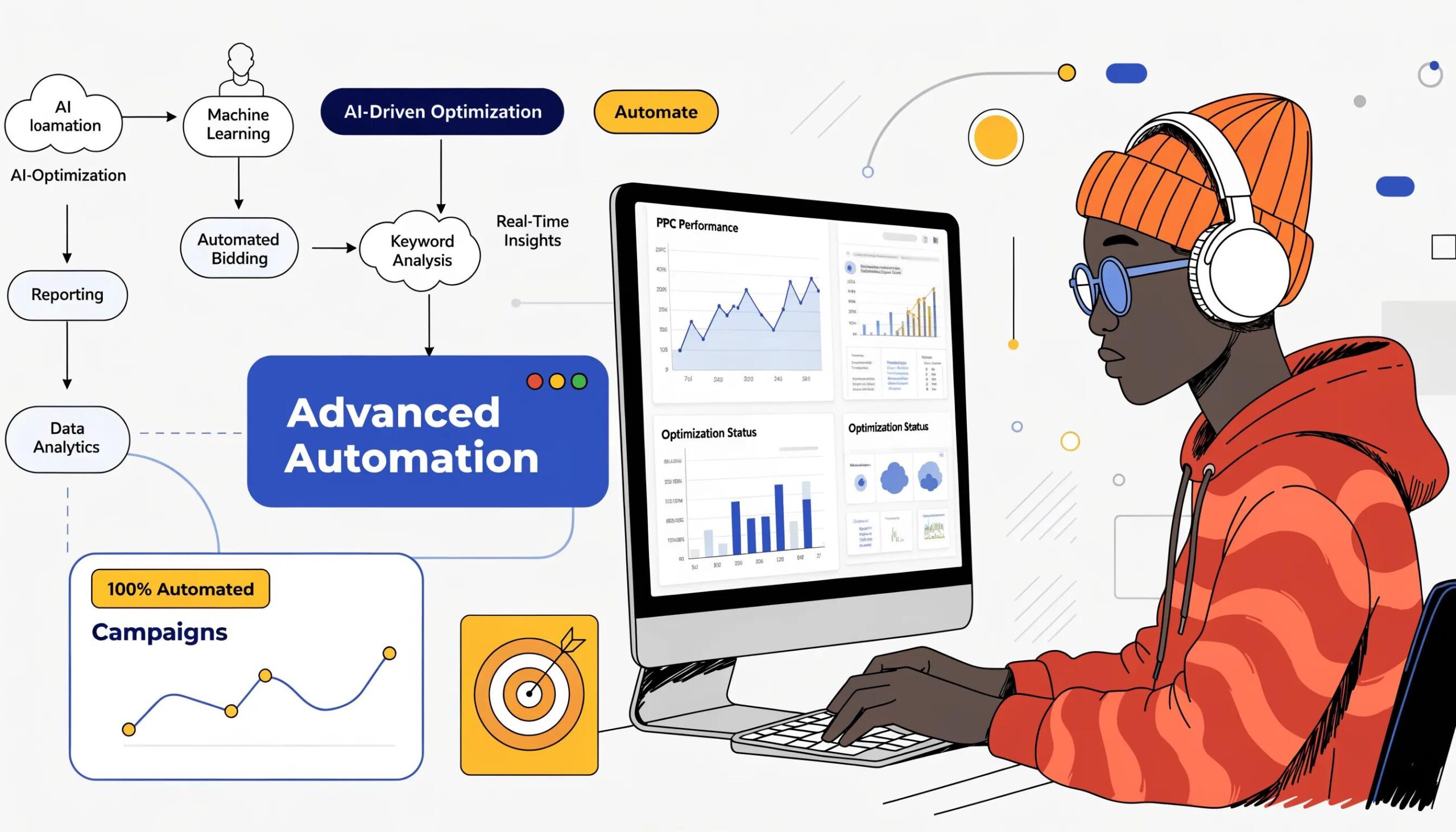
Advanced optimization techniques can dramatically enhance PPC campaign effectiveness. Automation tools play a significant role in streamlining campaign management, allowing marketers to allocate budgets dynamically based on performance.
Incorporating machine learning can help predict which ads perform best, so you can prioritize those investments. Furthermore, regular audits of underperforming ads will help identify necessary adjustments, ensuring that every element is effectively contributing to lead generation goals.
How Do You Leverage Remarketing and Ad Scheduling for Lead Nurturing?
Remarketing targets users who have previously interacted with your brand but did not convert. This approach reinforces the brand message, increasing the likelihood of eventual conversion through repeated exposure to tailored ads.
Ad scheduling allows marketers to set specific times when ads will appear, targeting users during peak engagement periods based on historical data. This strategic approach not only maximizes ad visibility but also enhances lead nurturing efforts by keeping the brand at the forefront of potential leads’ minds.
Why Is Conversion Tracking Crucial and How Do You Set It Up Effectively?
Conversion tracking allows marketers to measure how effectively their PPC campaigns achieve desired outcomes.
Setting up conversion tracking involves defining specific actions that you want users to take, such as form submissions or email sign-ups. Implementing tracking pixels or tags through platforms such as Google Analytics facilitates this process, enabling you to gather data on user behavior and campaign performance.
Which Conversion Tracking Tools Best Measure PPC Campaign Success?
- Google Analytics: Offers extensive tracking capabilities and integrates well with Google Ads.
- Facebook Pixel: Essential for Facebook advertising, enabling precise tracking of user actions.
- HubSpot: Provides advanced tracking features and detailed analyses of customer interactions.
How Does Accurate Conversion Data Help Optimize Future Campaigns?
Accurate conversion data is invaluable when analyzing campaign performance. It allows for the identification of trends, user behaviors, and areas for improvement that lead to better-targeted future campaigns. By understanding what drives conversions, businesses can refine their strategies and allocate resources more effectively, paving the way for more successful PPC endeavors.