
In the competitive landscape of online coaching, effective advertising strategies are essential for success. Pay-per-click (PPC) advertising stands out as a powerful tool for coaches aiming to attract clients and maximize their return on investment (ROI). This article will delve into proven PPC strategies specifically tailored for coaches looking to enhance their visibility and effectiveness in the digital space. Readers will learn how to implement these strategies, understand best practices for managing PPC campaigns, and explore the methods of measuring their effectiveness. Furthermore, the analysis will cover how effective PPC campaigns drive ROI for coaching businesses.
Proven Online Coaching Advertising Strategies
To harness the full potential of PPC advertising, coaches should focus on several key strategies that capitalize on targeted audience reach. These strategies are designed to optimize engagement and conversion rates, ensuring that marketing budgets are utilized effectively.
- Targeted Advertising Strategies: One of the hallmarks of effective PPC is the ability to reach specific audiences based on demographics and interests. Coaches can create tailored ads that resonate with potential clients seeking specialized coaching services.
- Utilizing Warm Audiences for Better Conversions: Engaging users who have previously interacted with your content or services can significantly improve conversion rates. Retargeting ads help bring these warm audiences back, thus enhancing the likelihood of converting interest into business.
- Ad Format Testing for Optimizing Engagement: Experimenting with various ad formats—such as text ads, video ads, and carousel ads—provides insights into what resonates best with your audience. Regularly testing and adjusting formats can lead to higher engagement and click-through rates.
These strategies establish a foundation for effective PPC campaigns that can significantly elevate a coach’s visibility and client acquisition efforts.
Best Practices for Managing PPC Campaigns

To ensure that PPC campaigns yield optimal results, coaches need to implement best practices in campaign management. These practices are crucial in navigating the complexities of digital advertising while effectively reaching target markets.
- Budget Management Strategies: Setting and adhering to a clear budget is vital. Coaches should allocate budgets based on the performance of different campaigns and adjust as necessary to optimize spending.
- Engagement Techniques: Utilizing compelling ad copy and creative visuals can dramatically increase engagement rates. Coaches should focus on clear calls-to-action that inspire potential clients to engage with the services offered.
- Performance Analysis and Optimization: Regularly analyzing campaign performance—using metrics like click-through rates and conversion rates—allows coaches to identify successful practices and areas needing improvement. This iterative process ensures ongoing campaign refinement.
Integrating these best practices into PPC campaigns will lead to a more structured approach that maximizes results.
Methods for Measuring Effectiveness
Measuring the effectiveness of PPC campaigns is critical for understanding their impact and making necessary adjustments. Coaches can utilize various metrics to assess performance and ROI.
- ROI Calculation: This fundamental metric measures the return on investment from the ad spend. Calculating ROI provides insights into the financial effectiveness of campaigns and helps in making informed budgeting decisions.
- Cost Per Lead Metrics: Understanding the cost associated with acquiring each lead allows coaches to evaluate the efficiency of their PPC efforts. Lowering this cost while maintaining quality leads contributes to a higher overall ROI.
- Engagement Analysis: Evaluating how users interact with ads provides valuable insights into audience preferences and behaviors. This information can guide future campaign strategies and improve targeting.
Employing these measurement methods enables coaches to refine their PPC strategies effectively over time.
How Do Effective PPC Campaigns Drive ROI for Online Coaches?
Effective PPC campaigns significantly enhance ROI through several mechanisms tailored to the coaching industry. By focusing on targeted marketing efforts, coaches can efficiently allocate their advertising budgets to yield higher returns.
Implementing a strategy that combines audience segmentation and engaging ad formats allows coaches to attract more of the right clients. Additionally, consistent testing and optimization ensure that advertisements remain relevant and valuable to prospective clients. For those looking to deepen their understanding of how to use these tools effectively, exploring advanced digital marketing strategies can be highly beneficial.
As further evidence, case studies within the industry illustrate that coaches who leverage effective PPC strategies see a direct correlation between their ad spend and client acquisition. This relationship emphasizes the importance of a well-structured PPC approach.
This is further supported by an in-depth analysis of measuring and optimizing digital marketing ROI.
Measuring ROI in Digital Marketing: Strategies and Optimization
1. This chapter explains how healthcare providers can measure and improve the return on investment (ROI) from digital marketing campaigns. It introduces the ROI formula and applies it to healthcare-specific settings, showing how to align marketing efforts with clinical and business goals. The chapter covers strategic planning using the SMART framework, understanding patient preferences, and selecting appropriate digital marketing channels such as SEO, PPC, social media, email, mobile apps, and websites. Strategies for optimizing ROI in each channel are detailed, along with guidance on using key performance indicators (KPIs) to track outcomes. It explores analytics tools, tracking systems, and AI applications for data analysis, predictive modeling, personalization, and real-time campaign optimization. The chapter also addresses advanced ROI calculations, including patient lifetime value, and navigates privacy, compliance, and ethical challenges unique to healthcare marketing. Case studies illustrate how analytics improve campaign performance. Measuring ROI in Digital Marketing for Healthcare Providers, 2025
How does conversion rate optimization improve coaching ads performance?
Conversion rate optimization (CRO) is a crucial element in enhancing the performance of coaching ads. By focusing on the different aspects of the conversion funnel, coaches can significantly increase the number of prospective clients who take the desired action.
- Targeting Warm Audiences: Tailoring ads to individuals familiar with your brand can significantly improve conversion rates. Warm audiences are more likely to engage with content that resonates with their previous experiences.
- Urgency Tactics for Ads: Incorporating time-sensitive offers or limited-time promotions can create a sense of urgency, prompting quicker decision-making from potential clients.
- Optimizing Landing Pages: Ensuring that landing pages are designed to facilitate easy navigation and conversion creates a smoother experience for potential clients. This can include using clear headlines, effective visuals, and straightforward call-to-action buttons.
By employing these CRO strategies, coaches can enhance the capabilities of their ad campaigns, leading to increased conversions.
What Are the Best Ad Platforms for Coaching Programs?
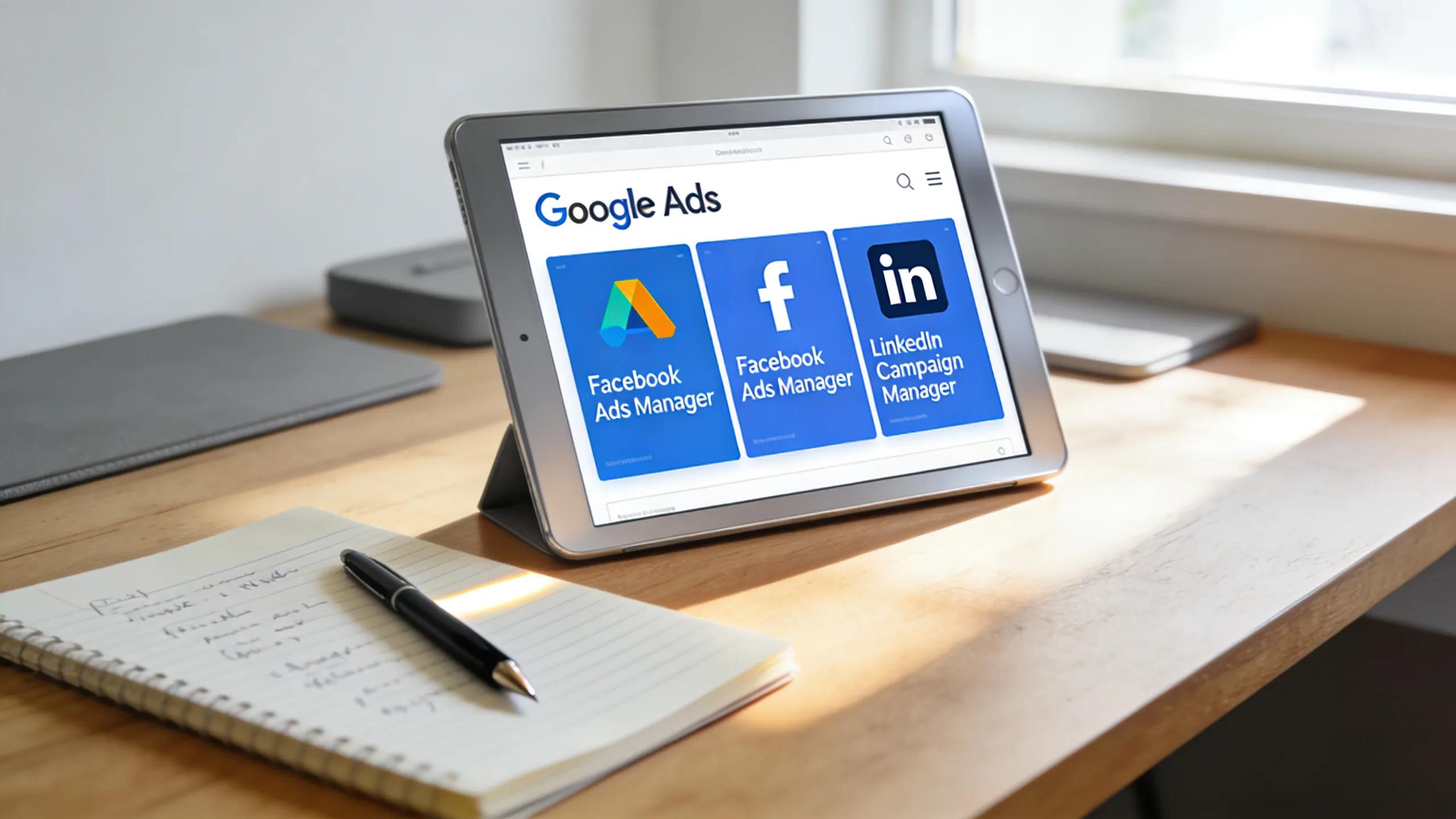
When evaluating ad platforms for coaching programs, several options stand out as particularly advantageous for reaching and engaging potential clients.
- Effectiveness of Facebook Ads: Facebook provides robust targeting options, allowing coaches to reach audiences based on demographics, interests, and behaviors. Its diverse ad formats enable engaging storytelling.
- Benefits of Google Ads: With Google Ads, coaches can capitalize on search intent, capturing leads actively seeking coaching services. This platform provides extensive reach and immediate visibility on search engine results pages.
- Audience Behavior on Different Platforms: Understanding the unique behaviors of audiences on each platform can inform where to allocate advertising resources. Coaches should conduct thorough audience research to effectively strategize their PPC campaigns.
Choosing the right platform based on these assessments is crucial for driving significant results in coaching endeavors.
How Can Coaches Set Up and Optimize PPC Campaigns for Maximum Results?
Setting up PPC campaigns for maximum results requires a strategic approach that encompasses understanding the audience and clear goal-setting.
- Understanding Audience: Coaches should conduct in-depth research to define their target audience clearly. By knowing their audience, coaches can tailor messages that resonate effectively.
- Setting Clear Campaign Goals: Establishing specific goals for each campaign provides direction. Goals can range from increasing website traffic to generating leads or driving user engagement.
- Budget Allocation for PPC Campaigns: Allocating budgets effectively ensures that coaches can sustain their PPC efforts while assessing the performance of various campaigns. This flexibility allows for real-time adjustments based on performance.
Following these guidelines will empower coaches to create PPC campaigns that not only reach but also convert their targeted audience effectively.