
Cost-Effective PPC Strategies for Coaching Success: Maximize Your Coaching Business Growth
Navigating the world of digital marketing can be particularly challenging for coaching professionals looking to grow their businesses effectively. The landscape of pay-per-click (PPC) advertising is filled with opportunities, but without a sound strategy, coach entrepreneurs might find themselves overwhelmed. This article delves into cost-effective PPC strategies specifically tailored for coaching providers, helping you understand how to maximize returns while minimizing expenditures. By establishing a budget-friendly campaign, targeting the right audience, and properly managing your PPC efforts, you can achieve significant growth and attract new clients. Here, we’ll explore the best practices for budgeting, allocating resources effectively, and improving your PPC performance to ensure your coaching services stand out in a competitive market.
How Can You Plan a Budget-Friendly PPC Campaign for Coaching Services?
A budget-friendly PPC campaign involves strategic planning and execution. The key lies in effectively allocating resources while ensuring that your ads reach the right audience. This approach not only minimizes spending but also maximizes your return on investment (ROI). By employing essential budgeting techniques, you can launch campaigns that are both effective and economical, allowing you to compete on a level playing field.
What Budget Allocation Techniques Improve PPC Performance for Coaches?
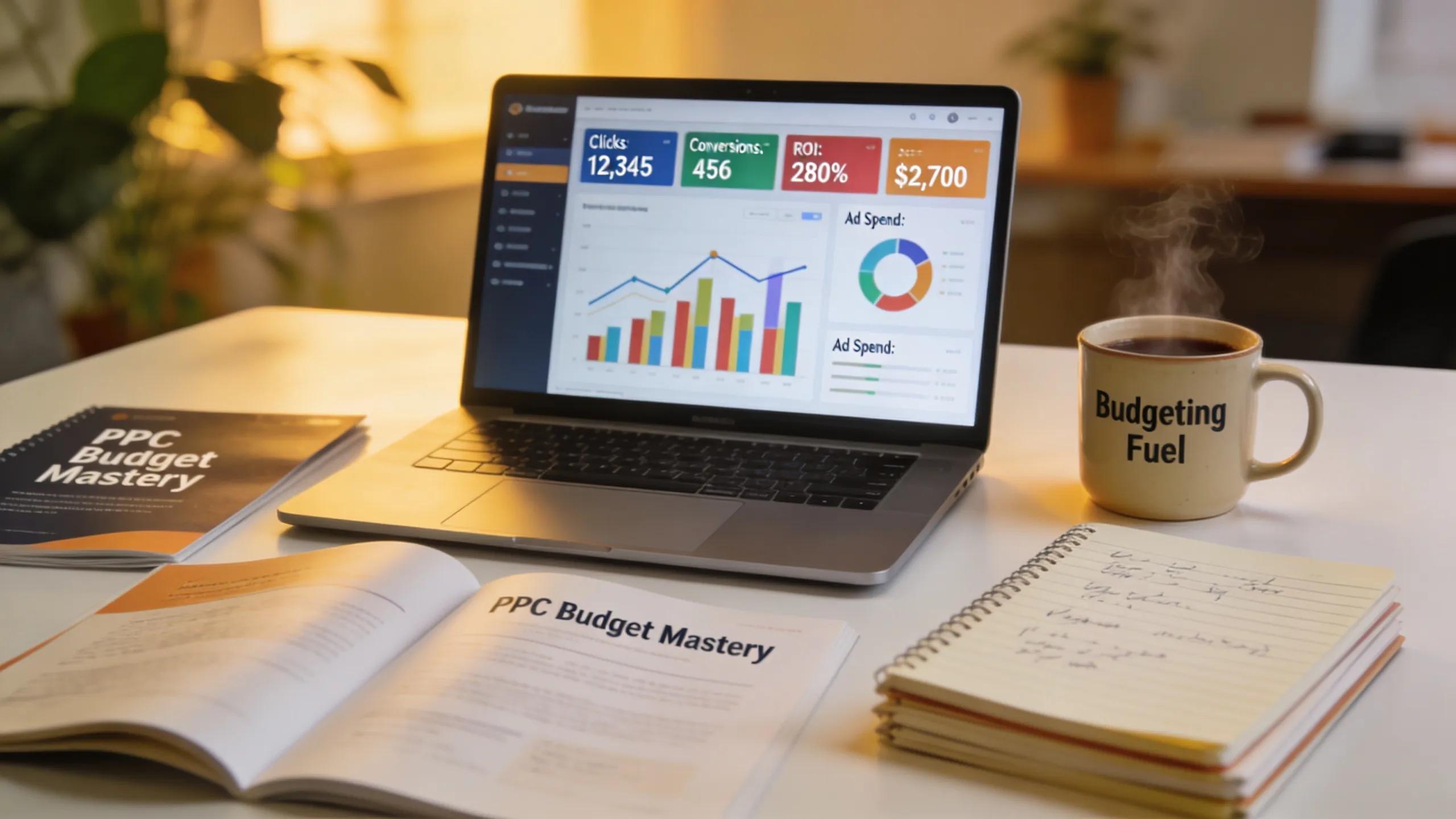
To enhance PPC performance, effective budget allocation techniques are essential. Key methods include:
- Setting Clear Goals: Establish specific objectives for your PPC campaigns, such as lead generation or brand awareness. This clarity will help guide your budgeting decisions.
- Using Campaign Budget Optimization: Adjust budgets based on performance data to maximize the effectiveness of your spending. Focus on campaigns that yield higher returns and reallocating funds from underperforming areas.
- Effective Engagement Strategies: Invest in strategies that enhance user engagement and compel action. Tailor your ad content to resonate with your target audience, influencing conversion rates favorably.
These techniques lay the foundation for sound budget management, but achieving low costs while generating high ROI requires additional strategies.
How to Balance Low Cost and High ROI in Coaching PPC Campaigns?
Balancing low costs with high ROI in PPC campaigns necessitates strategic approaches that prioritize efficiency. Consider implementing A/B testing to determine which ad copy, keywords, and bidding strategies perform best. This data-driven method enables coaches to allocate resources mindfully, focusing on effective elements while phasing out less successful ones.
PPC strategies that emphasize targeted advertising also play an essential role in balancing expenditures against returns. By honing in on specific customer segments who are most likely to convert, you can increase the likelihood of successful engagement while reducing wasted advertising spend. Performance optimization techniques, such as adjusting bids based on peak conversion times, further contribute to achieving this balance.
Which Ad Targeting Techniques Drive Effective Coaching Service Leads?

Effective ad targeting techniques are foundational to driving leads for coaching services. By utilizing precise targeting, coaches can reach individuals who are most likely to benefit from their offerings. Ad targeting can be enhanced through various methods, including:
- Audience Segmentation: Categorizing potential customers based on demographics, interests, and behaviors increases the efficiency of reach.
- Retargeting Strategies: Implementing remarketing campaigns to engage users who have previously interacted with your services fosters familiarity and increases conversion chances.
- Engagement through Direct Messaging: Utilizing platforms that allow direct messaging enhances interaction and can clarify any queries potential clients might have.
These strategies not only drive leads but also cultivate relationships with prospects, setting the stage for long-term client success.
How Does Audience Segmentation Enhance PPC Campaigns for Coaches?
Audience segmentation enhances PPC efforts by allowing for targeted messaging that resonates with specific groups. By categorizing your potential clients based on shared characteristics, you can craft tailored ad creatives that speak directly to their needs. For instance, segmenting your audience according to their coaching interests—such as life coaching, business coaching, or wellness coaching—enables you to deliver more relevant ads.
Additionally, employing behavioral targeting ensures your ads are shown to those who have demonstrated interest in similar services, increasing the likelihood of conversion. Creating effective customer personas based on thorough research further refines your approach, ensuring that your messaging remains closely aligned with audience expectations.
What Platforms Offer Best PPC Targeting Options for Coaching Businesses?
Selecting the optimal platform for PPC targeting significantly impacts the effectiveness of your advertising campaigns. Several platforms stand out in this regard:
- Google Ads: Renowned for its reach and versatility, Google Ads allows coaches to target potential clients through keyword searches actively.
- Facebook Ads: Offering robust demographic and interest-based targeting options, Facebook Ads enable coaches to connect with users based on specific characteristics.
- LinkedIn Ads: Particularly advantageous for business coaches or B2B-oriented platforms, LinkedIn provides professionals with the ability to connect with decision-makers through targeted sponsored content.
By leveraging the advantages of these platforms, coaches can optimize their ad spend and enhance overall targeting effectiveness.
What Google Ads Tips Boost PPC Success for Your Coaching Business?
Using Google Ads effectively can be a game-changer for your coaching business. Some valuable tips include:
- Using Strategic Keywords: Identify and utilize high-performing keywords that potential clients are likely to search for when seeking coaching services. This ensures your ads appear in relevant queries.
- Optimizing Ad Copy: Craft compelling ad copy that not only entices users to click but also accurately reflects your coaching services. Highlight unique selling points that differentiate you from competitors.
- Improving Landing Pages: Ensure the landing pages your ads direct to are optimized for conversions, providing a seamless user experience upon arrival.
These strategies will enhance your Google Ads performance, increasing visibility and engagement with PPC success.
How to Optimize Keywords and Ad Copy for Coaching PPC Campaigns?
Optimizing keywords and ad copy is essential for PPC campaigns in the coaching niche. Focus on integrating relevant keywords that align with user intent while crafting persuasive ad copy to captivate potential clients. Aim for clarity and succinctness, ensuring your messaging is direct and resonates with your target audience’s problem points.
It’s also beneficial to analyze competitor ads to gain insights into successful strategies that can be applied to your campaigns. Innovating with diverse ad formats, such as responsive search ads or display ads, can broaden your reach while maximizing effectiveness.
What Are the Best Practices for Landing Pages in Coaching Google Ads?
Effective landing pages play a critical role in converting visitors from your Google Ads campaigns. Adhere to these best practices:
- Design Considerations: Ensure your landing page design is clean and user-friendly, facilitating straightforward navigation that minimizes bounce rates.
- Content Best Practices: Include compelling calls to action and clear messaging about your coaching services. Emphasize the benefits of engaging with your services through concise, persuasive copy.
- A/B Testing for Landing Pages: Conduct A/B testing to determine which elements of your landing page drive conversions most effectively. Regular adjustments based on performance data lead to continuous improvement.
By employing these best practices, coaches can significantly enhance landing page performance, leading to higher conversion rates from PPC efforts.
How Do You Measure and Improve ROI in Coaching PPC Campaigns?
Measuring and improving ROI in your coaching PPC campaigns requires an analytical mindset and strategic adjustments. Key performance metrics, such as click-through rates (CTR), cost per acquisition (CPA), and conversion rates, should be closely monitored. This data facilitates informed decision-making regarding budget allocations and campaign modifications.
Additionally, leveraging customer relationship management (CRM) tools can help track user interactions across various touchpoints, allowing for a holistic understanding of the customer’s journey. By assessing campaign impact based on comprehensive data analysis, you can identify which strategies deliver the highest ROI and make necessary adjustments.
Which Conversion Tracking Methods Accurately Reflect Coaching Campaign Success?
Effective conversion tracking is crucial for understanding the success of your PPC campaigns. Use methods such as:
- CRM Tools: Integrate CRM software to monitor lead source and track customer actions from initial inquiry to final conversion.
- Analyzing Conversion Rates: Regularly assess your conversion rates to identify which campaigns yield the most conversions relative to spend.
- Adapting Based on Conversion Data: Make data-driven adjustments to your campaigns based on identified trends and patterns, ensuring more efficient use of your budget.
This approach allows for a responsive strategy that enhances conversion tracking accuracy and ultimately maximizes campaign success.
What Retargeting Strategies Lower Acquisition Costs for Coaching Clients?
Retargeting strategies effectively re-engage potential clients who have shown interest in your coaching services but did not convert initially. These strategies include:
- Using Effective Retargeting Ads: Tailor ads to past visitors with messages that address their previous interactions, encouraging them to revisit your offerings.
- Leveraging Customer Data for Retargeting: Utilize insights from customer interactions to create personalized ad experiences that resonate with individual needs and preferences.
- Engaging Previous Visitors through Content: Offer valuable content that addresses potential client interests, guiding them back to your site and reinforcing brand recognition.
Through these retargeting strategies, you can significantly lower acquisition costs while boosting the likelihood of conversion.
In conclusion, achieving success with PPC advertising in the coaching industry requires strategic planning, targeted execution, and ongoing optimization. By employing effective budgeting techniques, understanding audience needs, and leveraging data-driven insights, coaching professionals can enhance their PPC performance, ultimately propelling their business growth.






One Response