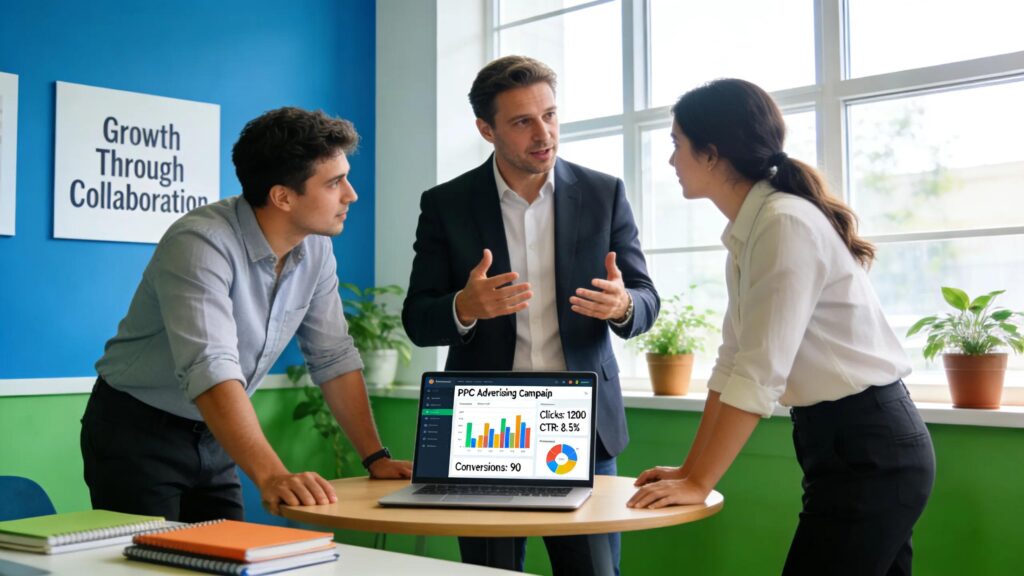
Maximize Your ROI With PPC Strategies for Coaches: Proven Tactics to Boost Your Coaching Business
In a competitive coaching marketplace, coaches need to effectively leverage Pay-Per-Click (PPC) advertising to enhance their return on investment (ROI). PPC strategies not only increase visibility but also attract the right audience to coaching services. Coaches often grapple with maximizing their advertising budgets while ensuring that every click translates into actionable leads. This article outlines proven PPC strategies, essential metrics, and examples that illustrate the importance of effective campaign management. It delves into key performance indicators (KPIs), ideal bidding strategies, and landing page optimization tailored specifically for coaching businesses. By implementing targeted PPC methods, including conversion tracking and remarketing techniques, coaches can significantly improve their outreach and conversion rates.
Proven Tactics
Effective PPC strategies for coaches focus on various tactical elements, ensuring a high ROI. Here are essential elements to consider when crafting your next campaign:
- Targeted Advertising Methods: Utilize audience targeting settings in platforms like Google Ads to reach individuals interested in coaching services. Identifying warm audiences—those already familiar with your brand—can enhance conversion rates.
- A/B Testing Importance: Constantly test different ad creatives to determine what resonates best with your audience. A/B testing can reveal which headlines, calls to action, and visuals drive the most engagement and clicks.
- Utilizing Warm Audiences: Re-engage previous site visitors through remarketing campaigns, which can significantly lower the cost per lead by targeting individuals already interested in your services.
By employing these tactics, coaches can build a robust PPC framework that not only attracts new clients but also fosters brand loyalty.
Key Performance Indicators (KPIs)
Key performance indicators (KPIs) play a pivotal role in evaluating the effectiveness of PPC campaigns for coaches. Understanding these metrics can help in making data-driven adjustments to improve ad performance.
Coaches should analyze these KPIs regularly to identify strengths and weaknesses within their PPC strategies. For example, a low CTR might indicate that the ad messaging needs to be more compelling or the targeting parameters require refinement.
Incorporating PPC into coaching strategies allows for precise targeting and measurable results, effectively helping coaches maximize their return on investment.
Understanding how PPC can enhance cost-effectiveness is crucial for coaches looking to optimize their digital marketing spend and improve overall ROI.
Optimizing PPC for Cost-Effectiveness and ROI
will clarify when and how paid search campaigns are cost-effective, improve ROI measurement standards, and optimize PPC investment strategies across diverse business contexts. Pay Per Click and Paid Search: Cost-Effectiveness and ROI in Digital Marketing, LA Maluleke
Examples of Effective Campaigns

Successful PPC campaigns often share common themes that can be replicated across various coaching niches. Case studies have shown that tailored messaging combined with strategic keyword selection results in higher engagement and conversion rates.
- Physician Coach: A campaign targeting wellness professionals utilized specific keywords like “biohacking coaching,” leading to a significant increase in sign-ups.
- Life Coach: Implementing emotional appeals in ad copy resulted in a substantial reduction in cost per click (CPC), maximizing budget efficiency.
- Business Coach: A focus on lead magnets, such as free webinars, increased lead generation substantially while maintaining a low CPA.
These examples highlight the effectiveness of strategic planning and adaptive tactics in PPC advertising for coaches.
How Can Coaches Develop Effective PPC Campaigns for Maximum ROI?
To design impactful PPC campaigns, coaches should adhere to a systematic approach:
- Target Warm Audiences: Focus on people who have previously interacted with your brand or website.
- Employing Urgency Tactics: Create a sense of urgency in ad campaigns to spur immediate action, such as limited-time offers.
- Conducting A/B Testing: Regularly experiment with different ad formats and messages to find the most effective combination.
By meticulously crafting campaigns with these elements, coaches can improve their ROI significantly over time.
Which Google Ads Strategies Work Best for Coaching Businesses?
Different strategies can lead to varying levels of success in Google Ads for coaching purposes:
- Focus on Familiar Audiences: Target individuals who have visited your website or interacted with your content before. It is generally less costly to convert these users.
- Testing Various Ad Formats: Experiment with text, video, and display ads to determine which format captures the most engagement.
- Effective A/B Testing: Regularly check the performance of different ads and iterate based on the results for optimal outcomes.
These methods provide a solid foundation for harnessing the power of Google Ads in the coaching industry.
What Are the Top PPC Advertising Tips for Coaches to Generate Quality Leads?
To attract quality leads through PPC advertising, consider these top strategies:
- Utilizing Effective Ad Formats: Choose ad formats that best suit your message, whether engaging videos or eye-catching visuals.
- Strategies to Enhance Click-Through Rates: Employ compelling calls to action (CTAs) and emphasize unique selling points to increase interest.
- Targeting the Right Market Segments: Use demographic and psychographic targeting options to refine your audience further.
These strategies assist coaches in ensuring their advertising efforts yield the best possible returns.
How Do Coaches Optimize ROI in Pay Per Click Advertising?
Optimizing ROI in PPC requires ongoing analysis and adjustment. Coaches should implement the following techniques:
- Adjusting Ad Budgets Effectively: Reallocate funds to the highest-performing ads based on KPIs to maximize returns.
- Understanding Audience Segmentation: Use insights from analytics tools to segment audiences by behavior and preferences.
- Monitoring and Optimization Techniques: Continuously track performance metrics and make adjustments as necessary.
These techniques ensure that every dollar spent on PPC converts into value for the coaching business.
What Budget Optimization Techniques Enhance PPC Efficiency for Coaches?
To enhance budget efficiency in PPC campaigns, coaches should apply the following techniques:
- Regularly Review and Adjust Bids: Ensuring competitive bids without overspending helps maintain budget integrity.
- Focus on High-Performing Keywords: Allocate more budget to keywords that yield a higher conversion rate.
- Leverage Negative Keywords: Exclude irrelevant terms that may otherwise drain the budget without yielding valuable clicks.
These strategies help coaches maintain control over their advertising spend while maximizing potential returns.
How to Use Conversion Tracking and Analytics to Measure Coaching PPC Success?
Conversion tracking is essential for evaluating the success of PPC campaigns. Coaches can implement the following techniques:
- Setting Up Tracking Methods: Utilize tools such as Google Analytics to monitor conversion events and user behavior patterns.
- Key Metrics to Analyze: Focus on metrics such as conversion rates, cost per lead, and customer lifetime value for comprehensive insights.
- Real Examples of Tracking Success: Studies indicate that effective conversion tracking can lead to a notable increase in optimized campaigns.
By understanding these elements, coaches can ensure their PPC strategies are continuously improved and effective.
What Remarketing Strategies Can Coaches Use to Increase Lead Generation?
Remarketing is a powerful strategy that allows coaches to reconnect with potential clients. Here are effective remarketing strategies:
- Identifying Warm Audiences: Create segments to specifically target users who have previously engaged with content relevant to your offerings.
- Creating Tailored Ads: Personalize advertisements based on users’ previous interactions with your content for greater engagement.
- Utilizing Urgency and Scarcity in Marketing: Emphasize limited-time offers in remarketing ads to encourage immediate action.
These tactics enable coaches to maintain engagement and conversions from leads who may have initially shown interest.
How Does Remarketing Target Past Visitors to Boost Coaching Leads?
Remarketing focuses on re-engaging past visitors to bring them back to your coaching services. This includes:
- Segmentation of Warm Leads: Classifying users based on their browsing history can refine targeting efforts.
- Creating Personalized Remarks: Tailor messages based on users’ past interactions for higher relevance and conversion likelihood.
- Monitoring and Optimizing Remarketing Efforts: Regular reviews of campaign performance help fine-tune approach and content effectiveness.
This approach fosters connections that can lead to higher engagement and increased client acquisition.
Which Bidding Approaches Improve Remarketing Campaign Performance for Coaches?
Improving bidding strategies is vital for effective remarketing campaigns. Coaches should consider:
- Focus on Metrics-Driven Bidding: Data analytics can guide bids based on performance metrics, ensuring optimal use of budgets.
- Identifying Effective Audience Segments: Fine-tune bidding strategies to reflect the performance of different audience segments.
- Utilizing AI Tools for Real-Time Optimization: AI can assist in adjusting bids dynamically based on real-time engagement and conversion data.
These sophisticated approaches help enhance the overall success of remarketing campaigns.
What Are Best Practices for Landing Pages to Support PPC Success for Coaches?

Efficient landing pages are crucial for converting PPC traffic into clients. Here are some best practices:
- Creating Compelling CTAs: Your calls to action should be direct and persuasive to encourage user action.
- Optimizing for Mobile and Load Speeds: Ensure landing pages load quickly and are mobile-friendly to minimize bounce rates.
- Effective A/B Testing on Landing Pages: Test various layouts and content to identify which versions convert best.
These practices ensure that landing pages not only attract clicks but convert them into meaningful interactions.
How to Design Coaching Landing Pages That Convert PPC Traffic?
Designing effective landing pages requires focus on user experience:
- Importance of User-Centric Design: Ensure the page layout is intuitive and meets user needs at every stage of their journey.
- Effective Use of Visuals: Utilize high-quality images and graphics to engage users and convey messaging effectively.
- Clear Messaging on Offer: Ensure that what is being offered is clearly communicated to avoid confusion and increase conversions.
By addressing these aspects, coaches can create landing pages that significantly boost conversion rates from PPC efforts.
What Role Does A/B Testing Play in Improving Landing Page Performance?
A/B testing is an integral component of landing page optimization. Its role includes:
- Testing Headlines and CTAs: It allows coaches to understand which messaging resonates better with their audience.
- Importance of Visual Elements: Experimenting with different visuals can influence engagement and click behavior.
- Measuring Impact on Conversion Rates: Tracking success metrics for each variant ensures that only the most effective designs are used.
Incorporating A/B testing efficiently enhances landing page performance over time. For comprehensive PPC support, consider specialized services.