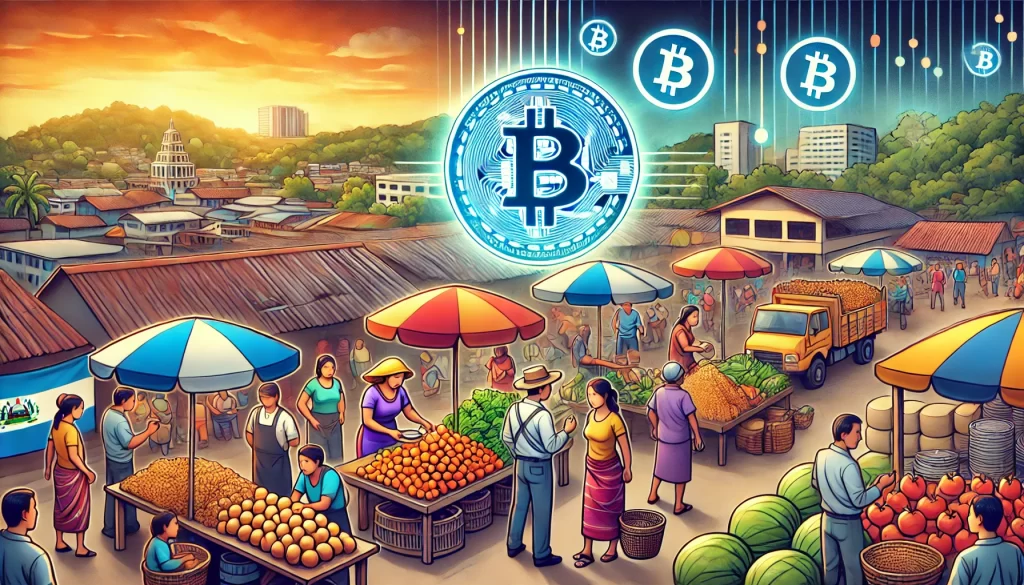
The Impact of Bitcoin on El Salvador's Economic Landscape
Bitcoin adoption in El Salvador has significantly transformed the country's economic landscape, introducing new opportunities and challenges. The government's decision to recognize Bitcoin as legal tender has attracted attention from investors and entrepreneurs, fostering a more dynamic economic environment.
For instance, the influx of foreign investment has led to the establishment of numerous Bitcoin-related businesses, creating jobs and stimulating growth in various sectors. However, this rapid transition also raises concerns about financial stability and the potential risks associated with cryptocurrency volatility.
Challenges Faced by El Salvador in Bitcoin Implementation
Despite the promising prospects, El Salvador faces several challenges in implementing Bitcoin as a mainstream currency. Issues such as technological infrastructure, public skepticism, and regulatory hurdles can hinder the effective use of cryptocurrency in everyday transactions.
Moreover, the lack of financial literacy among the population poses a significant barrier to widespread adoption. Educational initiatives and government support are crucial to addressing these challenges and ensuring that citizens can navigate the complexities of using Bitcoin safely and effectively.
Comparative Analysis: Bitcoin Adoption in Other Developing Nations
Examining Bitcoin adoption in other developing nations provides valuable insights into the potential benefits and pitfalls faced by El Salvador. Countries like Nigeria and Venezuela have also embraced cryptocurrencies to combat economic instability and hyperinflation.
These comparative cases highlight different strategies and outcomes, showcasing how cultural, political, and economic factors influence the success of Bitcoin initiatives. By learning from these examples, El Salvador can refine its approach to maximize the advantages of cryptocurrency while mitigating associated risks.
The Future of Bitcoin in El Salvador's Economy
The future of Bitcoin in El Salvador's economy remains uncertain but full of potential. As the country continues to experiment with cryptocurrency, the outcomes will likely shape its economic trajectory for years to come.
Long-term success will depend on the government's ability to adapt policies that support innovation while ensuring consumer protection. Continuous monitoring of Bitcoin's impact on inflation, employment, and overall economic growth will be essential to evaluate its role in the evolving financial landscape of El Salvador.