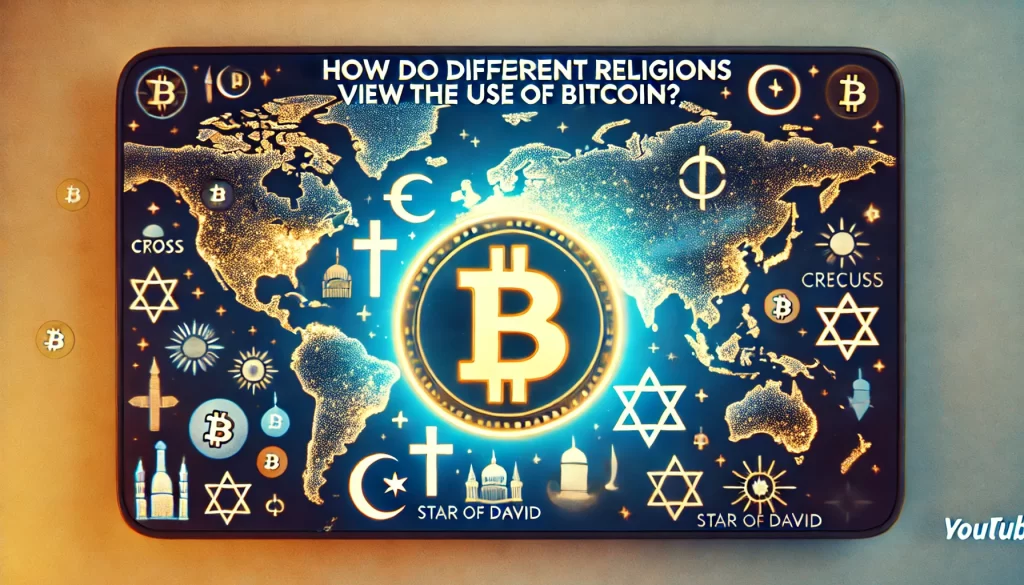
Understanding Bitcoin and its Financial Implications
Bitcoin, as a decentralized digital currency, presents a unique set of financial implications that differ significantly from traditional monetary systems. Its creation through a process called mining, its finite supply, and its operation on a distributed ledger technology (blockchain) all contribute to its distinct financial characteristics.
The decentralized nature of Bitcoin means it is not controlled by any single bank or government, offering potential benefits like reduced transaction fees and greater user autonomy. However, this also introduces volatility and regulatory uncertainties that are crucial to understand for anyone considering its use or investment.
Religious Perspectives on Digital Currency Adoption
The adoption of digital currencies like Bitcoin has sparked diverse discussions within various religious communities. Different faiths grapple with questions of usury, ethical investment, wealth creation, and the potential for misuse, all of which are relevant to the nature of cryptocurrencies.
Exploring these perspectives involves examining theological interpretations of financial practices, the concept of ownership, and the societal impact of new technologies. Understanding these viewpoints can offer valuable insights into the moral and ethical considerations surrounding digital currency.
Theological Considerations of Bitcoin as a Store of Value
From a theological standpoint, the concept of Bitcoin as a store of value raises interesting questions. Some religious doctrines emphasize the importance of tangible assets or community-based wealth, while others may find the digital and decentralized nature of Bitcoin aligns with principles of innovation and accessibility.
Discussions often revolve around whether Bitcoin's volatility makes it a reliable store of wealth in the long term, and how its potential for rapid appreciation or depreciation aligns with religious teachings on financial prudence and stewardship. The underlying technology and its potential for transparency or opacity also play a role in these theological evaluations.
Ethical Frameworks for Digital Currency Transactions
Applying ethical frameworks to digital currency transactions is becoming increasingly important as these technologies become more mainstream. Religious and philosophical ethics offer lenses through which to evaluate the fairness, transparency, and potential for harm or benefit associated with Bitcoin and other digital assets.
Key ethical considerations include the environmental impact of Bitcoin mining, the potential for use in illicit activities, and the accessibility for individuals across different socioeconomic backgrounds. Examining these aspects through an ethical lens helps to guide responsible engagement with digital currencies.